
Freshwater Aquarium Aquascaping: A Complete Beginner's Guide
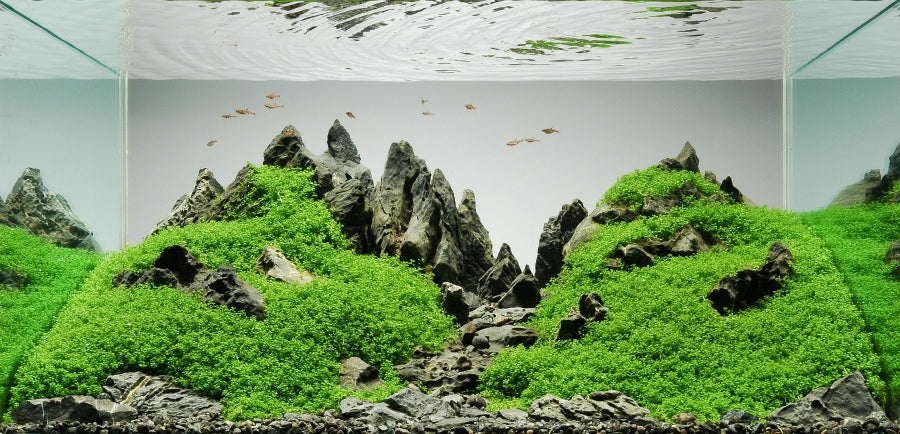
Valerio Chiaradonna Aquascaping is the art of designing and creating underwater landscapes within an aquarium, using aquatic plants , rocks , driftwood , and natural substrates .
In this Animal Instinct Rome guide, we'll explain everything you need to know to get started!
What is Aquascaping?
The term "aquascaping" refers to the artistic and functional composition of natural elements in an aquarium, creating balanced and visually appealing environments.
There are several styles of aquascaping, including:
Nature Aquarium (inspired by natural terrestrial landscapes)
Iwagumi (minimalist with a predominance of rocks)
Dutch Style (rich in plants arranged by color and height)
How to Start Aquascaping in a Freshwater Aquarium
Here are the basic steps:
1. Choose the Right Aquarium
Opt for an extra-clear glass aquarium, sized according to your project (30L, 60L or more).
2. Prepare the Substrate
Use a fertile substrate on the bottom (such as soil) and sand or gravel on top to give a natural effect.
3. Select Plants, Rocks and Wood
Fast-growing plants: Rotala, Alternanthera, Pogostemon.
In aquascapes, plants for creating lawns such as Hemianthus callitrichoides "Cuba" and Micranthemum "Monte Carlo" are also used.
Rocks : Seiryu Stone, Dragon Stone.
Woods : Red Moor, Mopani.
🪴 At Animal Instinct Rome you'll find a wide selection of professional plants and hardscapes!
4. Build the Scene
Place rocks and driftwood first to create focal points.
Then plant according to height: ground cover in front, tall plants in the background.
Lighting, CO₂ and Fertilization
For healthy aquascaping you need:
Plant-specific LED lighting (8-10 hours per day)
CO₂ system to stimulate growth (especially for demanding plants)
Weekly liquid fertilization (macro and microelements)
Aquascaping Maintenance
A freshwater aquarium requires constant care:
Water changes of 30-50% every week
Regular pruning to maintain the shape
Algae control through light/nutrient balance
Common Mistakes to Avoid
Overloading with plants or furniture without a clear plan.
Do not cycle the aquarium before adding fish.
Too strong lighting without adequate CO₂ → algae explosion.
The Benefits of Aquascaping
Relaxing and anti-stress effect
Increase in domestic biodiversity
Improved water quality thanks to plant photosynthesis
Creating your own aquascaping not only beautifies the environment, but also provides well-being to the aquarium inhabitants!
Conclusion
Freshwater aquarium aquascaping is an art form that anyone can learn with patience and passion.
With the right materials and advice from the experts at Animal Instinct Roma , you can transform your aquarium into a true corner of nature.
🎍 Come and visit us: we will help you choose the plants, the materials and design your first (or next) aquascape together!