How to Develop a Saltwater Aquarium: A Complete Guide
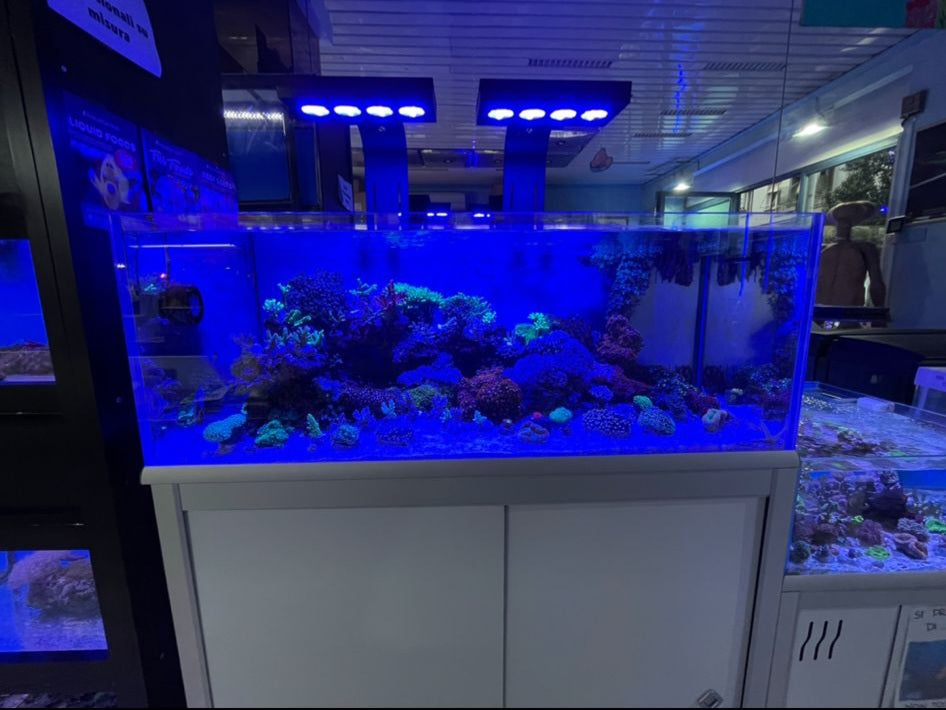
Valerio ChiaradonnaCreating a marine aquarium is a fascinating endeavor for aquarium enthusiasts. Creating a stable and thriving marine ecosystem, however, requires knowledge of appropriate methodologies and the use of the right equipment. In this guide, we'll explore the fundamental steps for developing a marine aquarium, including the most effective ecological methods for promoting ecosystem growth and development.
1. Aquarium Selection and Positioning
The first step in developing a healthy marine ecosystem is choosing the right aquarium size. An aquarium of at least 100-150 liters offers greater stability of water parameters, essential for the ecosystem's well-being. Place it in a location free from direct sunlight and temperature fluctuations.
2. Water Filtration and Circulation
Filtration is crucial to the health of the ecosystem. Water must be filtered and circulated properly to prevent debris buildup and maintain adequate oxygenation. The most common methods for ensuring a clean marine environment include:
- Biological filter: promotes the growth of beneficial bacteria that convert ammonia and nitrites into nitrates, helping to create a chemically balanced environment.
- Skimmer: removes dissolved organic substances before they decompose, preventing ammonia spikes and algae growth.
- Flow pumps: essential for simulating natural ocean flows, they support the growth of sessile organisms (such as corals) and improve nutrient distribution.

3. Methodologies for Ecosystem Growth and Development
Creating a stable marine ecosystem requires time and the proper application of various biological methodologies. Here are some of the most effective:
-
Berlin Method : One of the most common methods, it relies on the use of live rock for biological filtration, combined with a powerful protein skimmer and coral-friendly lighting. The live rock hosts beneficial microorganisms that convert organic waste into less harmful substances, creating a natural filtration system. The Berlin Method promotes the ecosystem's natural growth, using minimal complex technology and relying primarily on the regenerative capabilities of the live rock and bacteria.
-
DSB (Deep Sand Bed) Method : This method involves using a deep layer of sand (10 to 15 cm) in the substrate. This deep layer of sand hosts anaerobic bacteria that break down nitrates into nitrogen gas, helping to keep nitrate levels low and providing natural filtration. This method helps create a richer and more stable environment for fish and corals, but requires careful management to avoid debris accumulation in deoxygenated areas.
- Animal Instinct Method: is the result of years of experience and innovation in marine aquarium management. We have developed a blended approach that combines the best features of different methodologies to create a balanced, stable, and easy-to-maintain marine ecosystem.

Refugium can be added to these methods: this involves setting up a separate section of the aquarium (called a refugium) where macroalgae and microorganisms can thrive. Macroalgae, such as Chaetomorpha, absorb excess nitrates and phosphates, thus reducing nutrient levels in the main aquarium water. This approach is particularly useful for balancing nutrients in a reef aquarium and creates a safe environment for small organisms, such as copepods and amphipods, which can serve as a natural food source for fish.
4. Lighting for Ecosystem Development
Lighting is essential not only for coral health but also for the development of the entire ecosystem. The most common methods include:
- LED lighting for corals: Simulates the natural light cycle and provides the spectrum necessary for coral photosynthesis. Regulating light cycles helps maintain ecosystem balance.
- Timed lighting: to recreate the natural day/night cycle, useful for maintaining the stability of photosynthetic organisms.
5. Stabilization of Chemical Parameters
A stable marine environment requires continuous management of water parameters:
- Salinity: Must be maintained between 1.020 and 1.025. Regular measurement with a refractometer ensures the level is correct.
- Calcium, magnesium, and alkalinity: These elements must be regularly supplemented to support coral growth and prevent ecosystem deterioration.
The methodology based on the regular integration of these elements is essential to avoid imbalances and improve the growth of calcifying organisms, such as hard corals.
6. Regular Maintenance for the Well-being of the Ecosystem
Aquarium maintenance is essential to maintaining a healthy ecosystem. Practices include:
- Regular water changes: Changing 10-20% of the water every two weeks helps keep nitrate and phosphate levels low.
- Substrate siphoning: To remove debris and prevent nutrient buildup that could destabilize the environment.
- Continuous monitoring of parameters: Measure temperature, pH, and ammonia, nitrite, and nitrate levels weekly to ensure the environment is stable.
Setting up a marine aquarium requires commitment and the proper application of ecological methods to ensure a healthy and stable ecosystem. Using techniques like the Berlin Method, DSB, or Miracle Mud can help create a thriving environment for fish, corals, and other marine life. With the right equipment and careful care, your marine aquarium will grow and thrive. Visit ourwebsite to find everything you need for your aquarium.
For any information regarding our products or services, please don't hesitate to contact us on our social media pages or directly via email. You'll receive a reply as soon as your message is read.
If you're in Rome or the surrounding area, don't hesitate to contact us for information about live animals or home services. We deliver within 24 hours.
For more details and to purchase products:
Via di Monte Verde, 2, 00152
Telephone: 06 87691 933
Mobile: 338 838 1624
Discover all our items available on our website www.animal-instinct.it
