A Guide to Reef-Safe Animals for Your Marine Aquarium
Valerio ChiaradonnaCreating a marine aquarium is a fascinating and challenging undertaking, especially when it comes to choosing the right animals to maintain the balance of your reef. Reef-safe animals are those that do not harm corals, invertebrates, or other aquarium inhabitants, making them perfect for a coral reef ecosystem.
In this article, we'll explore which pets to choose, how to care for them, and what mistakes to avoid.
What does "Reef Safe" mean? The term "reef safe" refers to fish, invertebrates, and other organisms that coexist peacefully in a reef aquarium without compromising corals or the surrounding ecosystem. These animals do not feed on corals, nibble them, or disrupt their development.
Examples of reef-safe animals include fish such as clownfish and gobies, as well as invertebrates such as cleaner shrimp.
Examples of Reef Safe Fish
Here are some of the most common and suitable fish for a reef aquarium:
Clownfish (Amphiprioninae): Known for their symbiotic relationship with anemones. Easy to care for and ideal for beginners.
Gobies (Gobiidae): Small and colorful, often useful for cleaning substrates. They live peacefully with other fish.
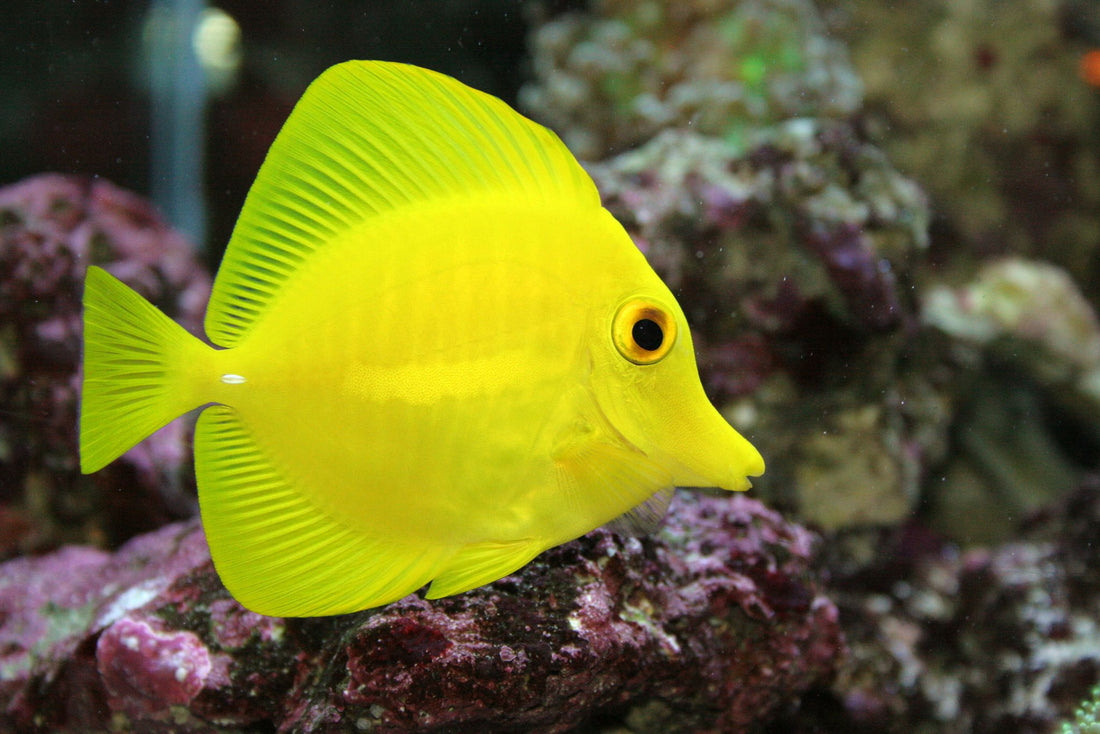
Surgeonfish (Acanthuridae): Such as Zebrasoma flavescens, which helps control algae. They require large tanks.
Anthias (Pseudanthias): Bright and spectacularly colored fish. They require a specialized diet and well-oxygenated water.
Reef Safe Invertebrates
Invertebrates play a vital role in a marine aquarium, helping to keep the environment clean and adding diversity:
Cleaner Shrimp (Lysmata amboinensis): They remove parasites from fish and help clean the aquarium.
Turbo Snails (Turbo spp.): Useful for controlling algae growth.
Sea Urchins (Diadema setosum): They help eliminate algae, but require care to avoid damaging fragile corals.
Reef Safe Starfish: Like Linckia laevigata, which adds a touch of beauty without harming the environment.
Tips for Running a Reef-Safe Aquarium
In-depth Research: Not all reef-safe animals will always thrive in every environment. It's important to understand their habits and compatibility.
Balanced Ecosystem: Make sure you have enough space and hiding places for each species to avoid conflict.
Proper Diet: Provide a varied diet to prevent the animals from nibbling on corals or other tank inhabitants.
Regular Checks: Monitor water parameters (pH, salinity, nitrates) to maintain a stable environment.

Non-Reef Safe Animals: What to Avoid
Not all marine animals are suitable for a reef aquarium. Some examples of species to avoid:
Butterflyfish (Chaetodontidae): Many of these fish feed on corals.
Decorator Crabs (Camposcia spp.): They can damage corals and prey on small invertebrates.
Pufferfish (Tetraodontidae): They tend to nibble on corals and other invertebrates.

A reef-safe aquarium is an excellent choice for those who want to recreate a piece of coral reef in their home. By choosing the right animals and following proper care guidelines, you can enjoy a spectacular and balanced marine ecosystem.
If you're looking for fish, invertebrates, or accessories for your aquarium, visit our Animal Instinct store in Rome or browse our online shop to discover all the species available. We're here to help you create your dream aquarium!
For any information related to our products or services, do not hesitate to contact us on our social media pages or directly by email.
You will receive a reply as soon as your message is read.
If you're in Rome or the surrounding area, don't hesitate to contact us for information about live animals or home services. We deliver within 24 hours.
For more details and to purchase products:
Via di Monte Verde, 2, 00152
acquariofilia1978@gmail.com
Telephone: 06 87691 933
Mobile: 338 838 1624
Discover all our items available on our website www.animal-instinct.it