
Creating a Bioactive Frog Terrarium: A Step-by-Step Guide from Animal Instinct
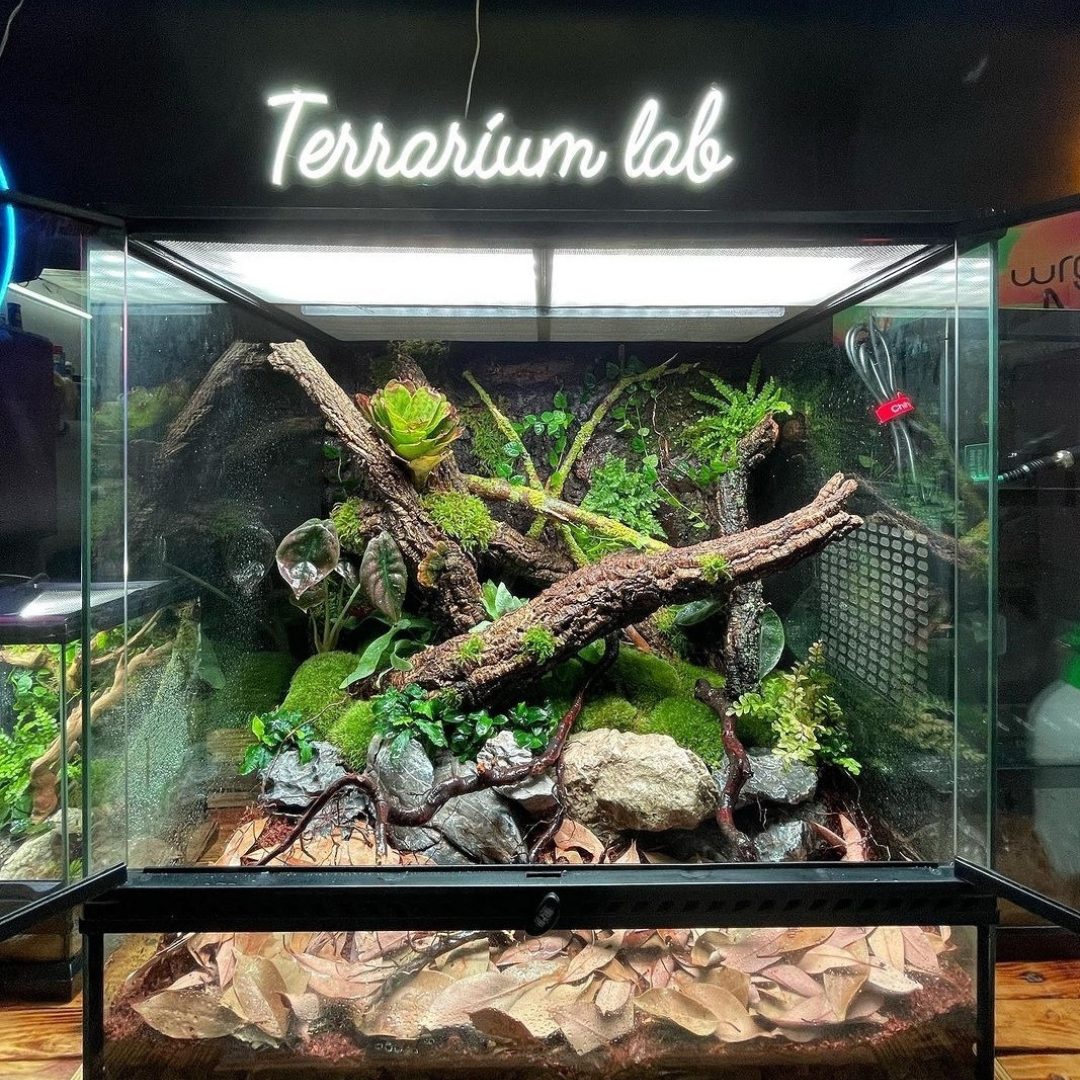
Valerio ChiaradonnaA bioactive terrarium is a self-sustaining ecosystem that mimics the natural habitat of animals, in this case frogs. By combining plants, decomposing insects, and the right substrate, you can create an environment that reduces maintenance and promotes frog health. Let's see how to make a bioactive terrarium step by step.
The Bioactive Terrarium
A bioactive terrarium is not only aesthetically appealing, it offers numerous practical benefits. The presence of decomposer microfauna and live plants helps maintain a clean environment, improving air quality and reducing the need for frequent cleaning. The result is a habitat that supports the frogs' well-being, mimics their natural environment, and encourages more authentic behavior.
Choosing the Terrarium
Dimensions and materials
The size of the terrarium depends on the number of frogs and the species chosen. For a single frog, a terrarium measuring at least 45x45x60 cm may be sufficient, but vertical space is important, especially for arboreal species. Glass terrariums are ideal because they allow good visibility and help maintain the necessary humidity levels.
Ventilation and humidity
Frogs require a humid environment, and ventilation is crucial to prevent stagnant air and mold growth. Choose a terrarium with good air circulation, preferably with a metal grille at the top to allow excess humidity to escape without compromising the microclimate.
The Bioactive Substrate
One of the most important elements in a bioactive terrarium is the substrate, which must be capable of retaining humidity and allowing the proliferation of microfauna.
Drainage layer
To prevent the substrate from becoming waterlogged, create a drainage layer. Expanded clay or volcanic rock are excellent options, and a thickness of 5-7 cm is ideal. This layer will help drain excess water, preventing stagnation that could cause mold or root rot.
Barrier between drainage and substrate
To prevent the substrate from mixing with the drainage layer, use a barrier, such as mesh or geotextile. This simple measure will make maintenance easier and keep the various layers separate and functional.
Biological substrate
The top layer of the terrarium is the organic substrate, which must be rich enough to support plant growth and provide a suitable environment for microfauna. A mixture of peat moss, coconut fiber, and sphagnum moss is ideal for retaining moisture and promoting the growth of tropical plants.
The Essential Microfauna
For a bioactive terrarium, it's essential to introduce decomposer microfauna, such as isopods and springtails. These small insects feed on organic waste, dead leaves, and frog droppings, keeping the substrate clean and preventing the accumulation of harmful substances.
Introduction and maintenance
You can purchase isopods and springtails specifically bred for bioactive terrariums. After introducing them, make sure they have enough food. Dead leaves and small pieces of fruit or vegetables will be enough to keep them healthy.
Suitable Plants
Plants play a crucial role in a bioactive terrarium. Besides enhancing the aesthetics, they help maintain humidity, filter the air, and provide natural hiding places for frogs.
Recommended tropical plants
- Bromeliads : Ideal for tree frogs, these plants provide small pools of water in their calyxes, where the frogs can find shelter.
- Ferns : Perfect for the understory of your terrarium, ferns add a touch of lush greenery and do well in humid environments.
- Epiphytes : They grow attached to surfaces, such as branches or rocks, and do not require a substrate to root.
Lighting and Heating
Frogs require a well-regulated day-night cycle and a constant temperature.
UVB lamps and heating
Many frog species benefit from exposure to UVB light, which stimulates the synthesis of vitamin D3, essential for bone health. For heating, you can use a heating mat or a ceramic lamp that maintains a temperature of about 24-28°C during the day and does not drop below 20°C at night.
Photoperiod
A cycle of 12 hours of light and 12 hours of darkness is ideal for simulating the natural environment of tropical frogs.
Hydration and Water Source
Water sources
A small basin or fountain inside the terrarium can help maintain humidity and provide a place for frogs to cool off. It's important to keep the water clean and change it regularly to prevent the growth of bacteria.
Nebulization
To maintain optimal humidity levels, you can install an automatic misting system or manually mistem 1-2 times a day, ensuring that the humidity remains between 60-80%.
Introduction of Frogs
Choice of species
Species such as poison dart frogs or tree frogs are ideal for a bioactive terrarium. They are colorful, active, and adapt well to a plant-rich environment.
Acclimatization
Before introducing frogs, make sure the terrarium is stable for at least a couple of weeks, allowing the plants to establish themselves and the microfauna to establish themselves. Introduce the frogs gradually, monitoring their health and behavior.
Terrarium Maintenance
Although a bioactive terrarium requires less maintenance, it is still important to regularly monitor environmental parameters.
Cleaning and monitoring
Monitor humidity, temperature, and plant growth. If necessary, prune plants and add new dead leaves to nourish the microfauna. Also check water quality and change the fountain regularly.
Feeding of microfauna
Make sure your isopods and springtails have a food source, such as small amounts of fruit or vegetables. This will help maintain a balanced ecosystem.
A bioactive terrarium is an investment that pays off in the long run. Not only will you create a beautiful, natural environment for your frogs, but you'll also reduce maintenance requirements thanks to the natural balance created by the microfauna and plants. With the right care, you can enjoy a piece of the rainforest right in your own home!
Products Recommended by Animal Instinct
Discover our selection of tropical plants, bioactive substrates, misting systems, and microfauna to create the perfect bioactive terrarium for your frogs. Find everything you need directly in our shop .
Want to see all our terrariums? Click here